

Following The Nightingale: A Trip Through Paris and the Loire Valley
Some books stay with you long after you finish them. Kristin Hannah’s The Nightingale is one of those. The story of two sisters, Vianne and Isabelle, surviving the German occupation of France in very different ways has sent a lot of readers searching for flights to Paris.
We get it. And the good news is that the places behind the story are real, moving, and beautiful to visit. A trip built around The Nightingale isn’t a novelty tour. It’s a way to see France through the lens of what ordinary people lived through, with enough great food, wine, and quiet countryside to balance the heavier moments.
A quick note: this post touches on the book’s setting and themes but avoids major spoilers.
Why Paris and the Loire Valley
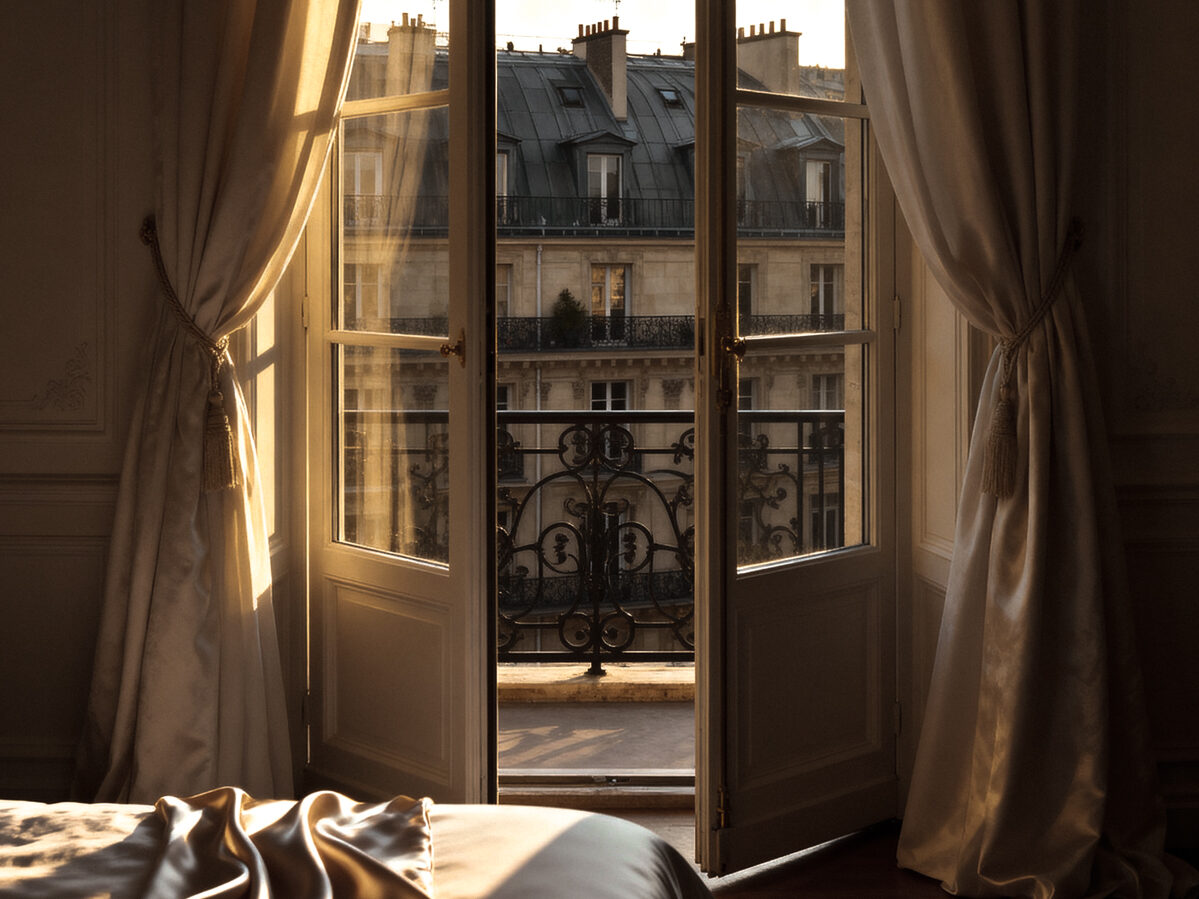
The novel moves between two worlds. Isabelle’s story pulls her toward Paris and the Resistance. Vianne stays in Carriveau, a fictional village in the Loire Valley, where German officers are billeted in homes like hers. The Loire itself mattered during the war too, since the demarcation line dividing occupied France from the so-called free zone ran through the region.
That split makes for a natural trip: a few days in Paris followed by a slower stretch in the Loire. The two are easy to connect, either with a private driver in about two and a half hours or a quick train to Tours with a car waiting on the platform.
Paris: Isabelle’s City
Musée de la Libération de Paris. Near Place Denfert-Rochereau, this museum tells the story of the occupation, the Resistance, and the liberation of the city. Below it is the actual underground command post used by Resistance leaders in August 1944. Walking down those stairs with a private guide who can explain what happened there is one of the most powerful hours you can spend in Paris.
Mémorial de la Shoah. In the Marais, this memorial and museum documents the persecution and deportation of Jews from France. It’s essential context for the book and for understanding the city. We always recommend a guide here so the visit has structure and room for questions.
Mémorial des Martyrs de la Déportation. Tucked behind Notre-Dame at the tip of the Île de la Cité, this quiet memorial honors the roughly 200,000 people deported from France during the war. It’s easy to miss and hard to forget.
The Musée de l’Armée at Les Invalides. The World War II galleries give the bigger military picture, which helps readers who want to understand how France fell so quickly in 1940.
Where to stay. For a trip like this, we love Hôtel Lutetia on the Left Bank. It was requisitioned by German military intelligence during the occupation, then became the reception center for returning deportees after liberation. Today it’s a beautifully restored luxury hotel, and staying there adds a layer of history most guests never realize is under their feet.
The Loire Valley: Vianne’s World
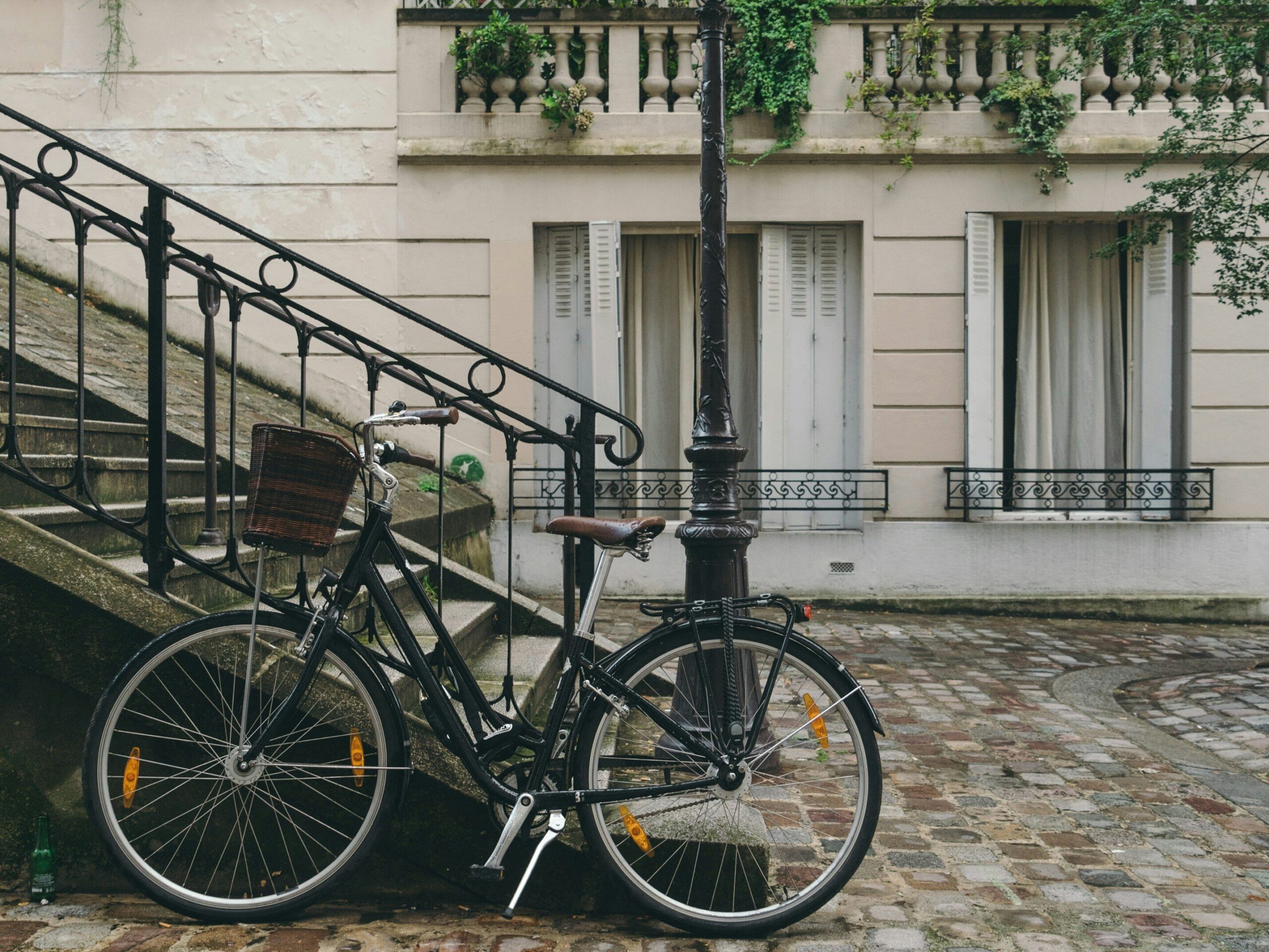
Carriveau isn’t a real place, but the Loire Valley villages that inspired it are easy to find. Stone houses, walled gardens, orchards, and river towns that feel much the same as they did 80 years ago. This is where the trip slows down.
Château de Chenonceau. The famous gallery that stretches across the River Cher took on a new role during the war. The demarcation line followed the river, so one end of the château sat in occupied France and the other in the free zone. People used it to cross. Seeing that gallery in person, knowing what it meant, changes how you experience one of the most photographed châteaux in France.
Château de Chambord. In 1939, as war approached, the Louvre evacuated thousands of works of art, including the Mona Lisa, and Chambord became the central hub for sorting and sending them to hiding places across the countryside. It’s a remarkable story of people protecting their culture, and it fits right alongside the themes of the book.
Village life and the table. Food runs through the novel, often through its absence. Balancing the history with long lunches, a private cooking class, and tastings in Vouvray or Chinon gives the trip warmth. A guide who grew up in the region can share family stories from the war years that you won’t find in any museum.
Where to stay. The Loire has some wonderful country properties. Domaine des Hauts de Loire and Les Sources de Cheverny both offer the kind of calm, attentive service that makes this part of the trip feel restorative. For food lovers, Fleur de Loire in Blois pairs a gorgeous riverside setting with one of the best restaurants in the region.
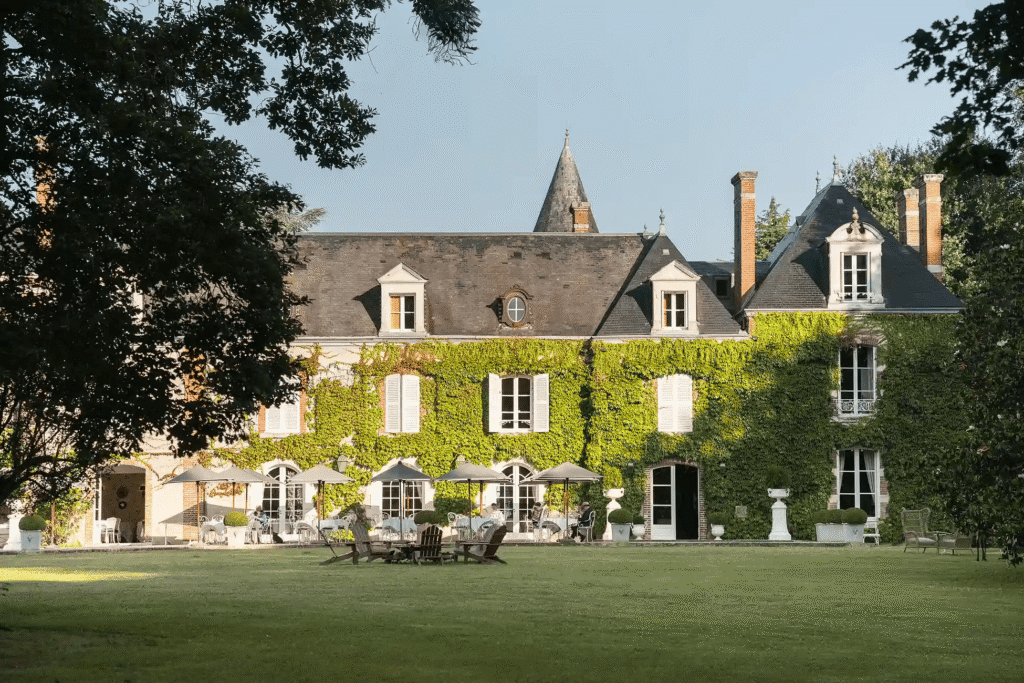
Photo courtesy of Domaine des Hauts de Loire
An Optional Extension: The Pyrenees
Readers who want to follow Isabelle’s full path can add a few days in southwest France. Her story was inspired in part by real women who guided downed Allied airmen over the Pyrenees into Spain. Today you can hike short sections of historic escape routes with a local guide, then recover in the Basque Country around Biarritz and Saint-Jean-de-Luz. It’s a meaningful add-on for anyone with a few extra days.
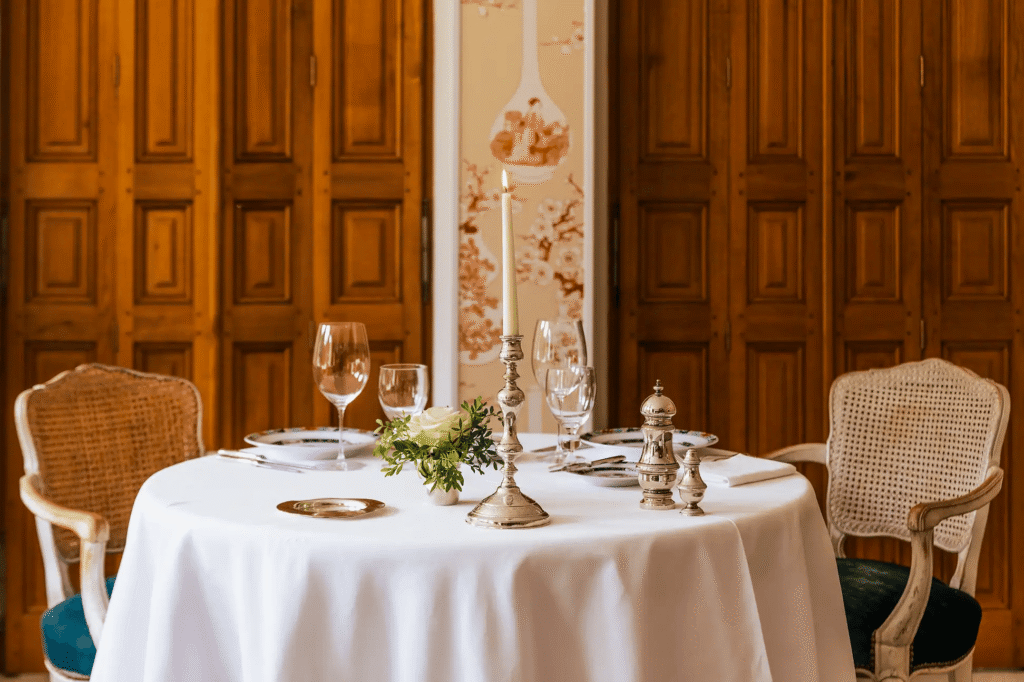
Photo courtesy of Domaine des Hauts de Loire
How Long to Plan
For most of our clients, 8 to 10 days is ideal: four nights in Paris and three or four in the Loire Valley. Add three nights if you want the Pyrenees. That pace leaves room for reflection, which this trip needs. We intentionally mix heavier museum days with lighter ones so the history lands without the trip feeling somber.
Who This Trip Is For
This itinerary is a natural fit for book clubs, mother and daughter trips, and couples who love history. But our favorite version is a sisters’ trip. Traveling through the places where Vianne and Isabelle’s story unfolds, with your own sister, tends to become one of those trips people talk about for years.
Let Us Plan It
A trip like this depends on the right guides. The difference between reading a plaque and standing in a Resistance command post with someone who knows every story behind it is everything. We handle the guides, the hotels, the drivers, and every detail in between so you can simply be there.
If The Nightingale has you dreaming about France, start here and we’ll set up a time to talk.
Curious why private guides make such a difference on a trip like this? We wrote about that here: What a Private Guide Actually Does (And Why It Changes Everything)