

Japan Family Travel: A Culture-Rich Trip That Kids Love and Parents Appreciate
Japan family travel has a reputation for being surprisingly good — and for families who’ve done it well, that reputation is fully earned.
This isn’t a destination that relies on gimmicks to entertain kids. Japan invites children into the experience. History becomes hands-on. Transportation becomes part of the adventure. And parents get something they rarely find on international trips: ease.
At HC Travel Firm, we see it again and again — families return from Japan energized, connected, and already talking about when they can go back.
Here’s why Japan works so beautifully for families, and how to experience it in a way that feels intentional rather than overwhelming.
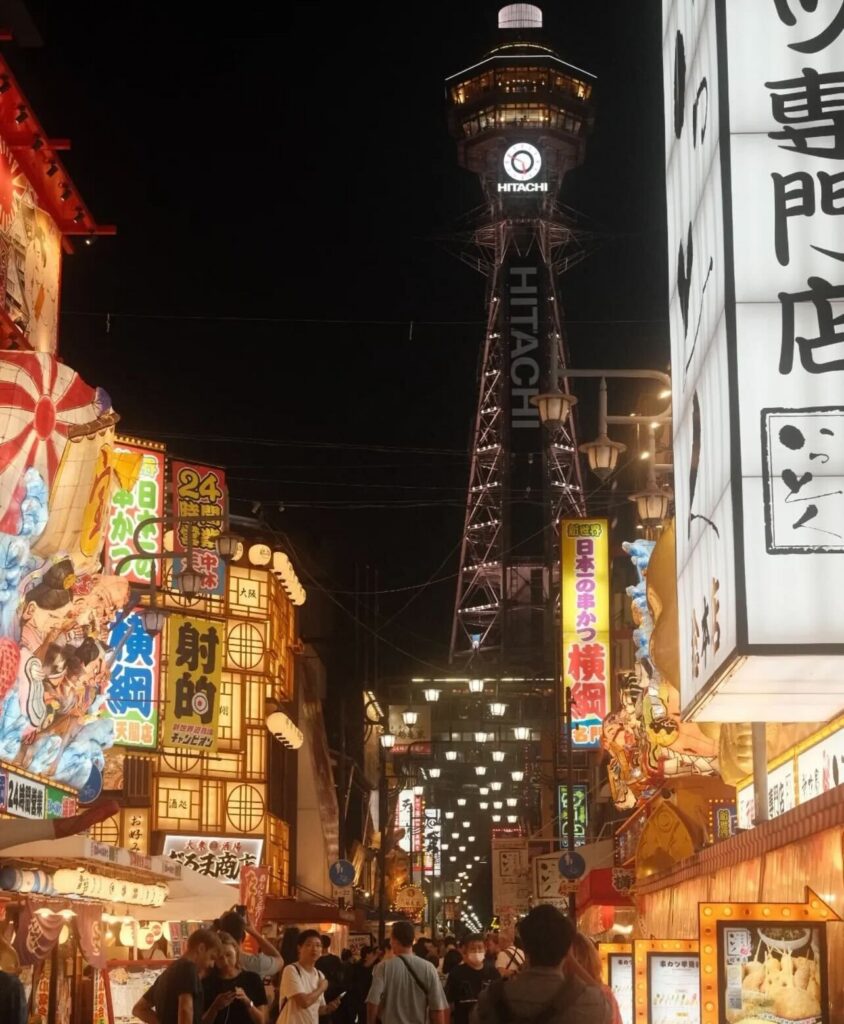
Why Japan Family Travel Just… Works
Japan makes family travel feel thoughtfully designed.
Cities are clean and safe. Transportation is reliable to the minute. Cultural norms prioritize respect and order — something parents notice immediately. And while kids are welcomed everywhere, the country doesn’t feel chaotic or overstimulating.
Families choose Japan because it offers:
- Safety and ease without sacrificing depth
- Seamless travel between cities
- A culture that values curiosity and learning
- Experiences that engage kids without talking down to them
This is Japan family travel at its best: enriching, efficient, and refreshingly well-run
Cultural Experiences That Keep Kids Engaged (Not Zoned Out)
Japan’s cultural experiences are one of the biggest reasons families fall in love with the destination — especially when those experiences are chosen with intention.
Samurai, Ninja & Interactive History
Kids don’t just hear about Japan’s past — they step into it. Dressing as samurai or ninjas and learning basic movements turns history into something physical and memorable.
Traditional Crafts & Creative Workshops
Calligraphy, hands-on crafts, and creative workshops give kids the chance to slow down and make something meaningful. These experiences often become the souvenirs families value most.
Kimono Experiences
Walking historic neighborhoods in traditional attire brings culture to life in a way that feels respectful, immersive, and surprisingly fun for kids and adults alike.
This is where thoughtful planning matters. When cultural experiences are paced correctly, kids stay engaged — and parents actually enjoy them too.
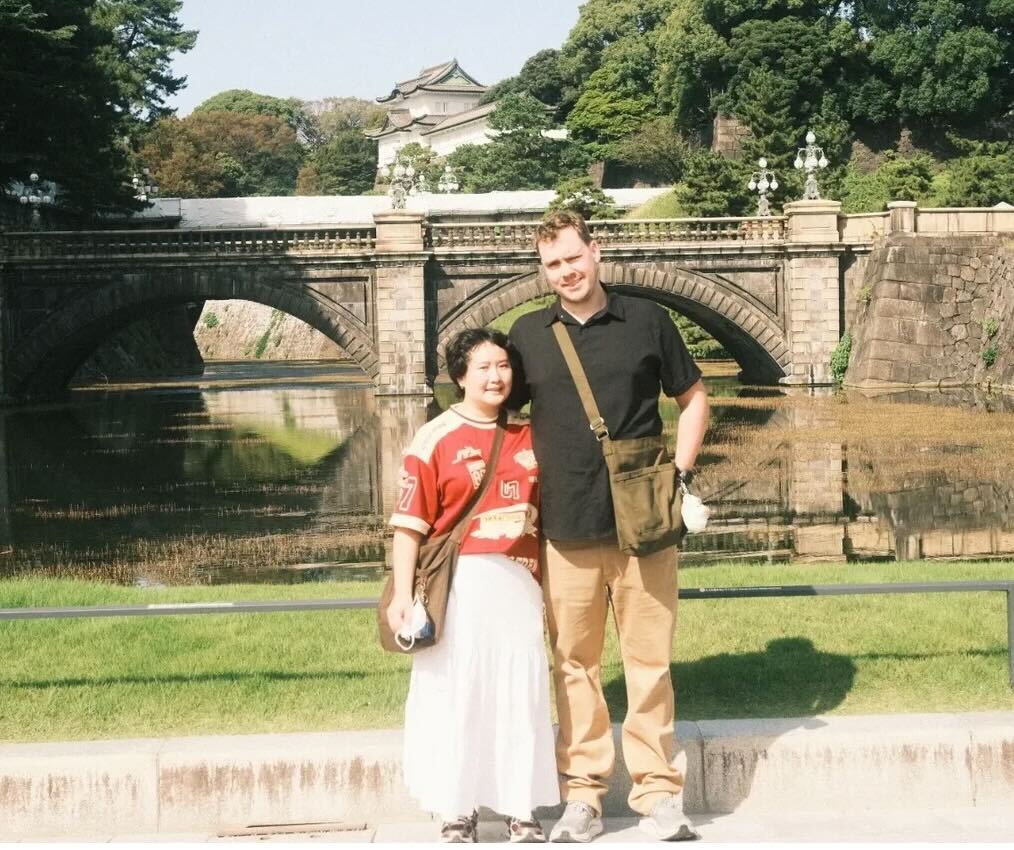
Nature, Animals & Built-In Breathing Room
A strong Japan family travel itinerary balances culture with space to breathe.
- Nara’s deer parks give kids safe, memorable animal encounters
- Mount Fuji and surrounding areas offer scenic views, lakes, and ropeways
- Family-friendly aquariums and zoos provide easy wins between sightseeing days
These moments create natural pauses in the trip — something we intentionally build into every family itinerary.
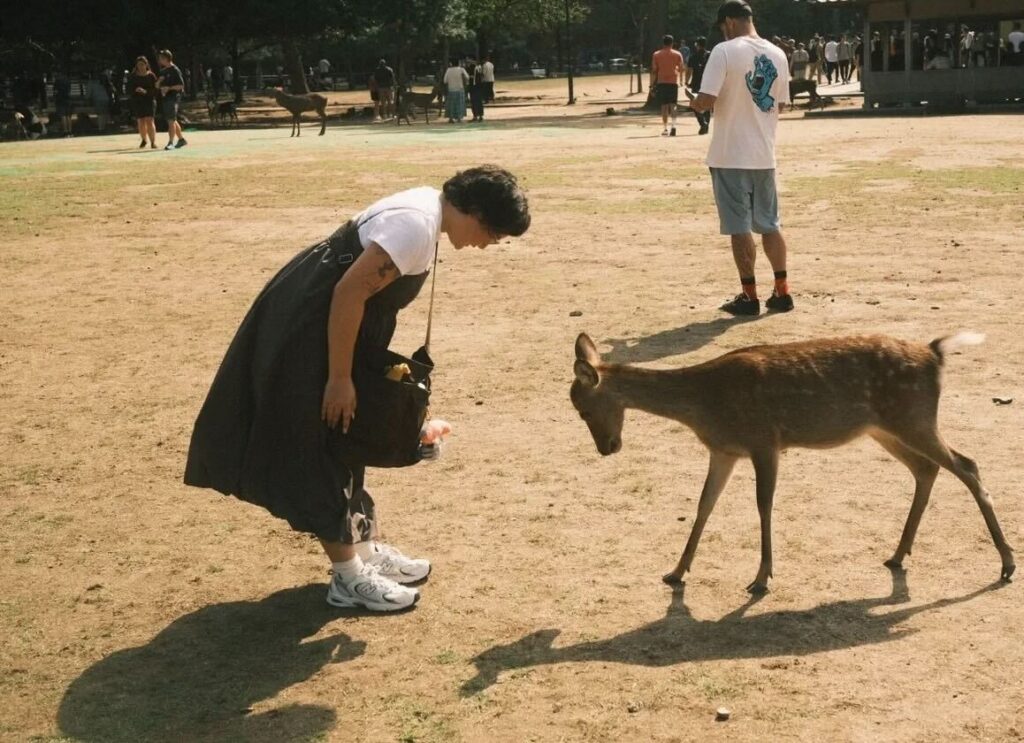
The Bullet Train: Transportation That Becomes an Experience
In Japan family travel, even getting from place to place feels special.
The Shinkansen (bullet train) is fast, smooth, and endlessly fascinating for kids. Parents appreciate the efficiency. Kids love the speed. And suddenly, travel days feel like part of the adventure instead of something to power through.
It’s a small detail that makes a big difference — and one families talk about long after they’re home.
Cities That Families Love (For Different Reasons)
Tokyo
Modern, playful, and endlessly interesting. Tokyo offers interactive museums, creative neighborhoods, and just the right mix of structure and surprise for kids and teens.
Kyoto
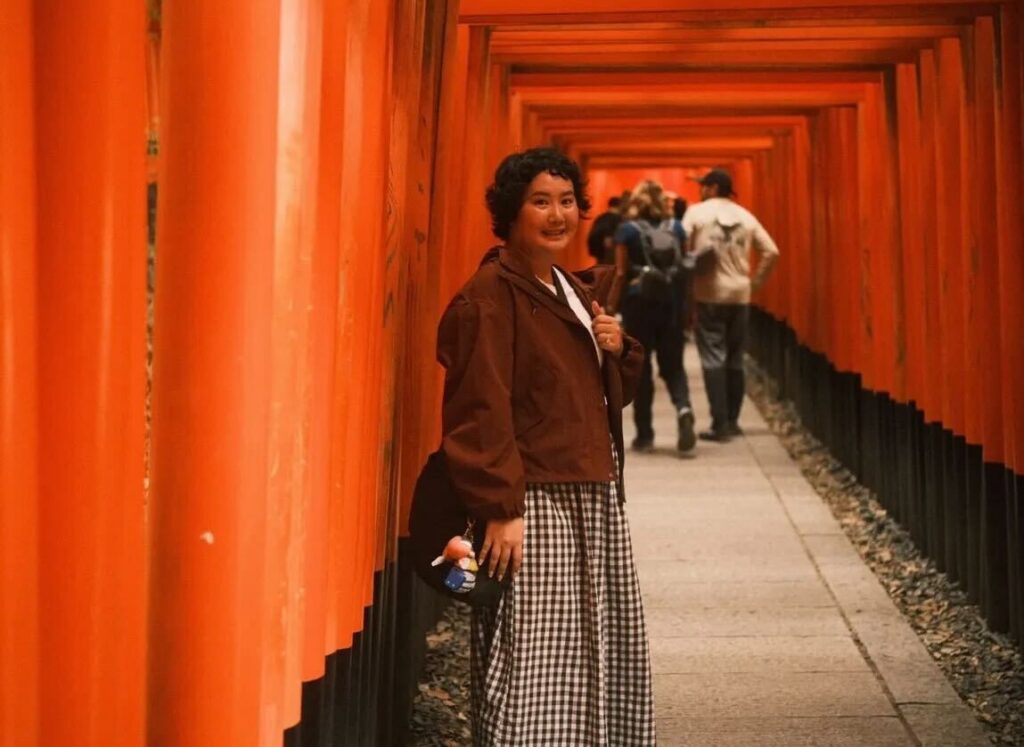
Calmer and deeply cultural. Temples, gardens, and historic streets help children connect with Japan’s traditions without feeling rushed.
Osaka
Friendly, energetic, and fun-forward. Osaka blends cultural sites with entertainment and food experiences families genuinely enjoy.
Each city brings a different rhythm — which is exactly what makes Japan family travel feel balanced rather than repetitive.
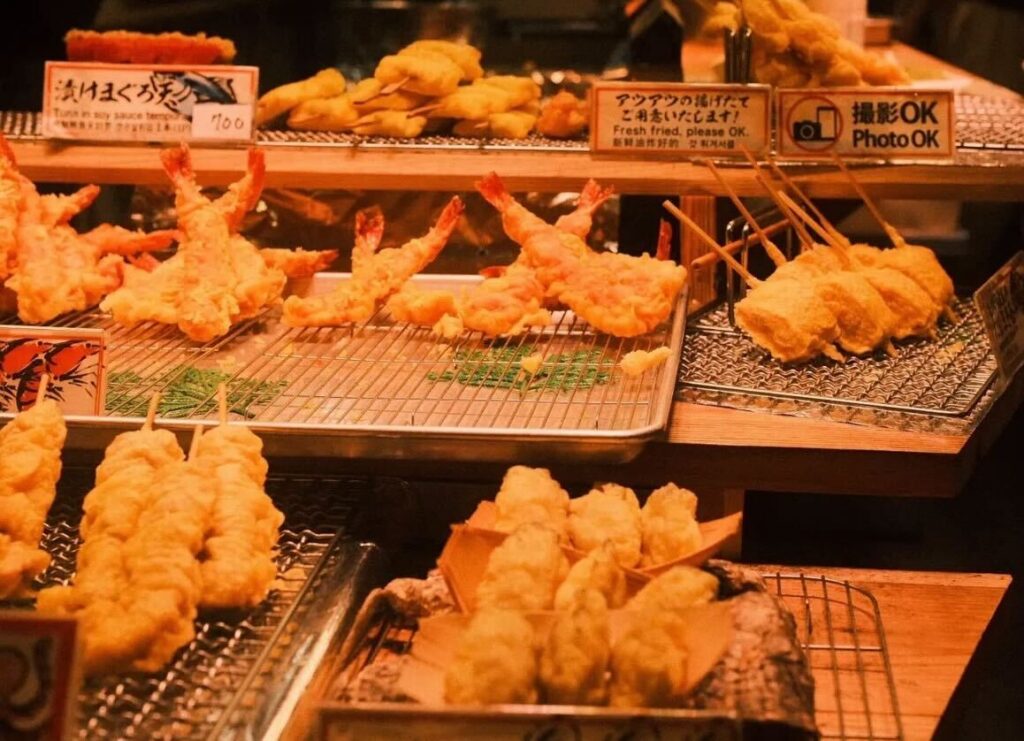
Theme Parks (Yes — They’re Great, When Placed Correctly)
Theme parks are absolutely part of the appeal — just not the entire story.
Tokyo Disneyland & DisneySea
Familiar magic with a distinctly Japanese approach. Organized, immersive, and well suited for families.
Universal Studios Japan
A standout for older kids and teens, especially those drawn to immersive worlds and high-energy attractions.
When theme parks are placed intentionally within a larger itinerary, they feel like a highlight — not the whole point of the trip.
What a Well-Planned Japan Family Travel Itinerary Looks Like
A balanced approach might include:
- Tokyo for modern culture and interactive experiences
- The Mount Fuji area for scenery and outdoor exploration
- Kyoto and Nara for cultural immersion
- Osaka for entertainment and high-energy fun
At HC Travel Firm, we design Japan family travel itineraries around how families actually move, not just what looks good on a map. Pacing, transitions, and recovery time matter — especially when kids are involved.
Why Families Trust Experts for Japan Family Travel
Japan rewards good planning. It also exposes rushed planning quickly.
Families who work with HC Travel Firm value:
- Deep destination knowledge (not guesswork)
- Thoughtful pacing designed for real families
- Support before, during, and while traveling
- Trips that feel intentional, not overstuffed
Japan isn’t a place to “wing it” with kids — it’s a place to do right.
Japan family travel offers something rare: a trip that’s educational without being dull, fun without being chaotic, and structured without feeling rigid.
Kids come home curious. Parents come home rested. And families leave with shared experiences that actually mean something.
That’s the kind of travel worth planning well.